Hong Kong Equities: IPO Momentum, Tech Rebound, and the Road Ahead
Keywords: Hong Kong stocks, IPO market, Hang Seng Tech Index, southbound inflows, capital market reform, semiconductor sector, valuation, market outlook
Introduction
Hong Kong equities have regained the attention of global investors as the city’s capital market demonstrates a notable revival in both primary and secondary activity. On the one hand, the IPO market has continued to surprise on the upside, with fundraising momentum building rapidly and market participants revising their full-year expectations higher. On the other hand, the secondary market is showing signs of selective strength, particularly in technology and semiconductor names that are benefiting from improving sentiment, policy support, and sector-specific catalysts.
This combination matters. A stronger IPO market is not merely a financing story; it is also a signal of confidence in Hong Kong as a capital-raising hub and a barometer of liquidity conditions. Meanwhile, a firmer stock market reflects improving risk appetite, better earnings visibility in key sectors, and the ongoing reallocation of capital toward quality Chinese assets listed in Hong Kong.
The current environment suggests that Hong Kong stocks are entering a more constructive phase, though not without challenges. Investors should look beyond headline indices and focus on the underlying drivers of market leadership, valuation discipline, and the sustainability of capital inflows.
IPO Market Momentum: More Than a Short-Term Rally
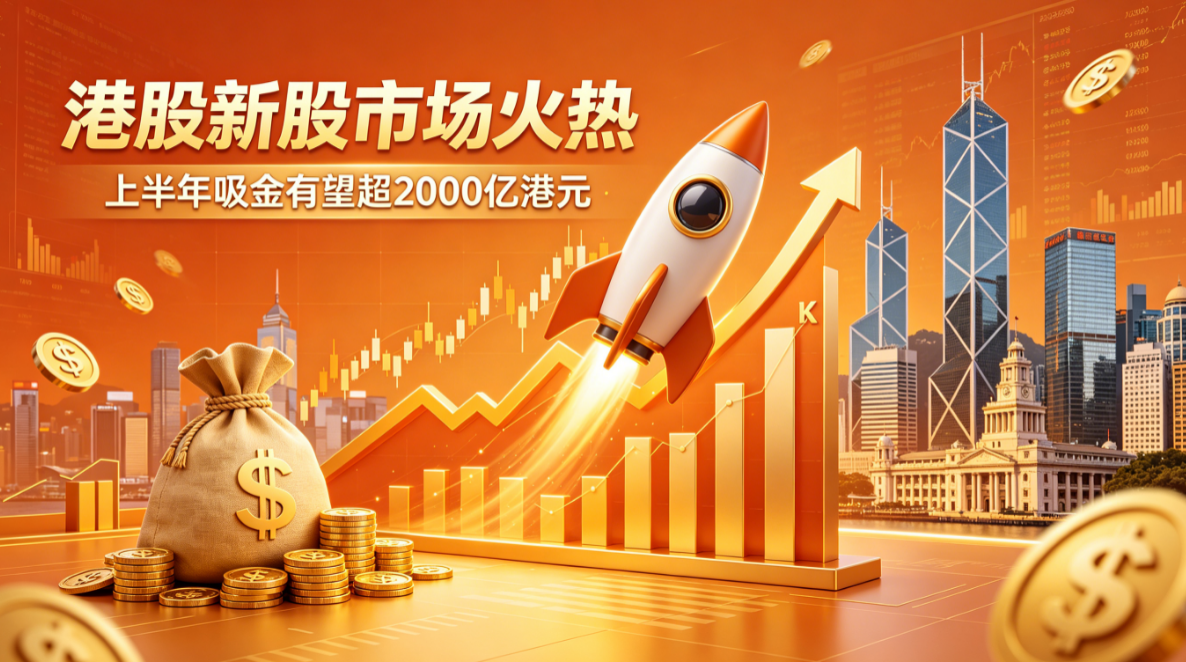
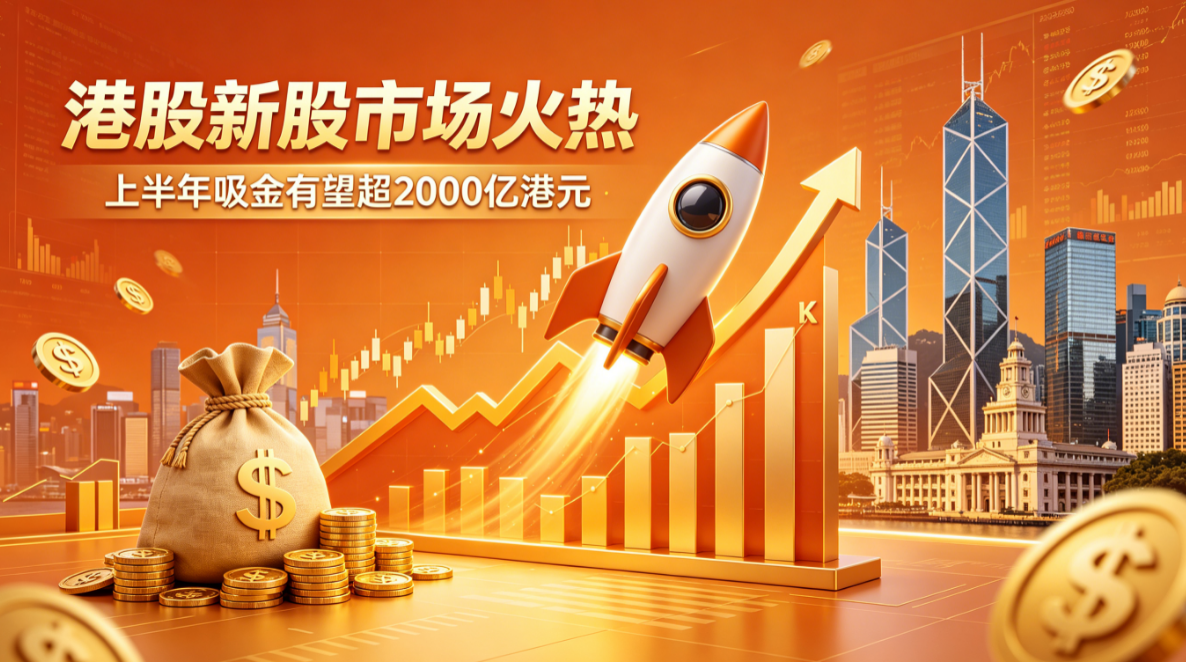
The renewed strength in Hong Kong’s IPO market is one of the clearest signs that the city’s financial ecosystem is regaining momentum. Fundraising volumes have improved sharply, and the market is increasingly active across sectors, especially in technology, advanced manufacturing, consumer, and healthcare-related businesses.
Several factors are supporting this trend:
1. Better Market Sentiment
When equity markets stabilize and investor confidence improves, listing windows tend to reopen. Hong Kong has benefited from a more favorable risk backdrop, with investors showing greater willingness to engage in new issues after a prolonged period of caution. Improved aftermarket performance in selected listings has also helped rebuild confidence in the city’s ability to support successful debuts.
2. A Stronger Pipeline of Quality Issuers
The quality of companies seeking to list in Hong Kong has improved. Many are established businesses with meaningful scale, strong industry positions, and growth stories that appeal to both institutional and retail investors. This is particularly true for technology-adjacent and manufacturing leaders that can offer exposure to structural themes such as AI infrastructure, domestic substitution, industrial upgrading, and supply-chain resilience.
3. Hong Kong’s Role as a Financing Platform
For mainland Chinese enterprises, Hong Kong remains one of the most important offshore fundraising venues. It provides access to a broad international investor base, flexible capital market instruments, and a globally recognized regulatory framework. In an environment where domestic and overseas financing conditions remain uneven, Hong Kong’s function as a bridge between China and global capital is especially valuable.
4. Policy and Regulatory Support
The Hong Kong Exchange and related authorities have continued to refine listing mechanisms and improve market accessibility. A more issuer-friendly environment, together with efforts to enhance market efficiency, has supported the recovery in IPO activity. For investors, this reduces the structural risk of a dry primary market and increases the likelihood that Hong Kong can sustain a healthier issuance cycle.
That said, a busy IPO market does not automatically translate into uniformly strong investor returns. The key lies in selectivity. Not every listing will perform well, and the market will continue to reward companies with clear earnings visibility, credible governance, and valuation discipline.
Secondary Market Performance: Selective Strength Emerges
The resilience of Hong Kong’s secondary market is equally important. Recent trading patterns show that investors are no longer treating the market as a single broad risk trade; instead, they are differentiating more clearly between sectors, business models, and earnings trajectories.
A particularly notable area of interest has been the technology complex. The Hang Seng Tech Index has shown signs of recovery, reflecting a broader reassessment of growth assets in the region. This matters because Hong Kong remains the primary overseas listing venue for many Chinese internet, semiconductor, and platform companies.
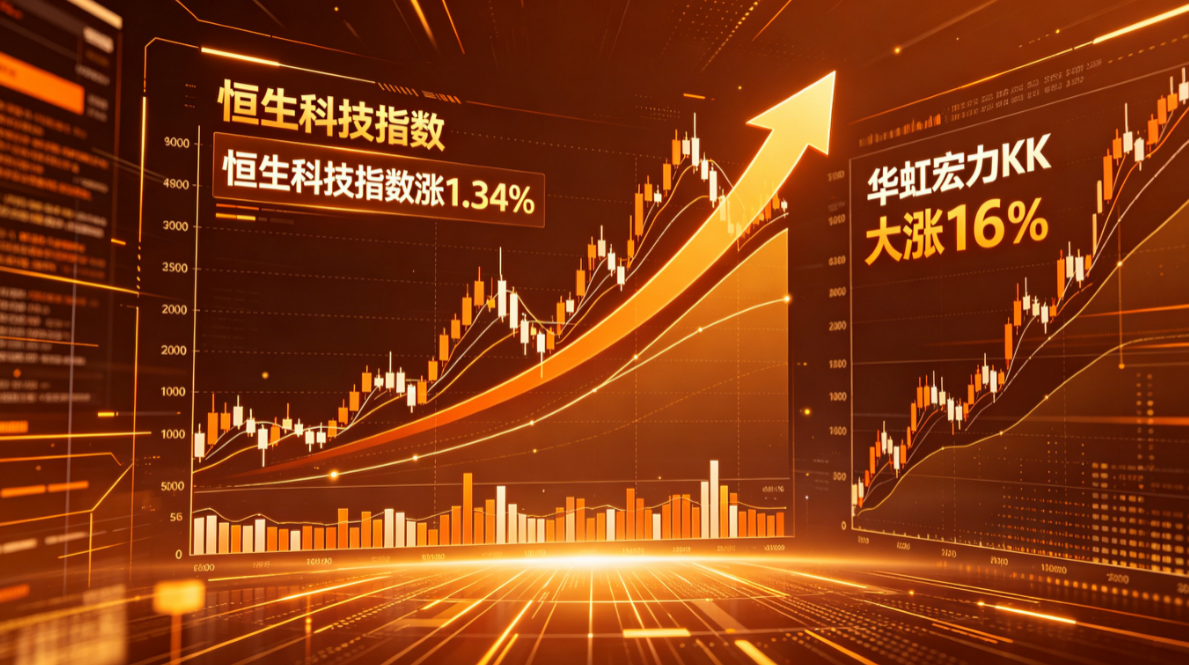
The move in semiconductor-related names, including a sharp rally in Hua Hong Semiconductor, illustrates a deeper market shift. Investors are increasingly willing to price in the possibility that China’s domestic chip ecosystem can improve over time, supported by industrial policy, local substitution demand, and cyclical recovery in electronics manufacturing.
Why Technology and Semiconductors Are Leading
Technology stocks in Hong Kong have long been vulnerable to changes in policy, regulation, and global interest rates. Yet the current rebound reflects more than just short covering or speculative trading.
1. Structural Growth Themes Remain Intact
Despite volatility, the long-term themes underpinning Chinese technology remain compelling. These include digital transformation, enterprise software adoption, AI-related infrastructure investment, and the localization of strategic industries. Investors are gradually returning to names that can benefit from these trends, especially where valuations remain below historical averages.
2. Semiconductor Independence Is a Strategic Priority
Semiconductors occupy a special position in the current market narrative. China’s push for supply-chain resilience and greater self-sufficiency has elevated the sector’s strategic importance. While the path forward is not linear, companies involved in foundry services, equipment, and materials may continue to attract attention from both policy-driven and long-horizon investors.
3. Earnings Visibility Is Improving in Selected Areas
Not all technology companies are equally positioned, but those with stronger product demand, clearer cost control, and better capital allocation may see improved earnings stability. In a market that has become more discriminating, quality is being rewarded more consistently than in previous cycles.
4. Valuations Remain Attractive Relative to Global Peers
Hong Kong-listed technology stocks often trade at valuations that are significantly lower than comparable U.S. peers, especially after years of sentiment compression. For global investors seeking exposure to growth at a more reasonable price, this valuation gap remains one of the strongest arguments for Hong Kong allocations.
Capital Flows: The Importance of Southbound Demand
One of the most important supports for Hong Kong equities has been southbound capital inflow from mainland investors. This structural source of demand has changed the composition of the market and, in many respects, improved liquidity conditions for preferred names.
Southbound investors often favor companies with strong brand recognition, policy relevance, or perceived strategic importance. As a result, the flow is not only abundant but also influential, especially in large-cap and sector-leading stocks. Over time, this has helped create a more resilient domestic investor base for Hong Kong shares.
At the same time, international participation remains crucial. Global funds continue to assess Hong Kong through the lens of macro risk, China exposure, currency stability, and comparative valuation. If the market can deliver stable policy signals and consistent earnings results, foreign interest is likely to recover further.
The interplay between southbound demand and foreign institutional allocation will determine whether the current rebound becomes a durable trend or merely a temporary phase of cyclical optimism.
Macro Backdrop: What Supports Hong Kong Stocks Now?
Hong Kong equities do not trade in isolation. Their trajectory is influenced by a mix of Chinese economic conditions, U.S. monetary policy, regional liquidity trends, and geopolitical sentiment.
1. Easing Global Rate Pressure
Lower global interest rates, or expectations of them, generally improve the relative attractiveness of equity assets. Growth stocks in particular are sensitive to discount-rate changes. If the global rate environment continues to stabilize or soften, Hong Kong’s tech-heavy market may benefit further.
2. Policy Support in China
The market has also been responding to a broader policy emphasis on stabilizing growth, supporting private enterprise, and reinforcing strategic industries. While the effectiveness of policy transmission varies by sector, markets typically respond positively when investors see a more predictable operating environment.
3. Earnings Recovery Expectations
Hong Kong-listed companies are now facing a more nuanced earnings landscape. Some sectors remain under pressure from competition and margin constraints, while others are beginning to show signs of recovery. Investors are increasingly focused on the next two to four quarters rather than only backward-looking results.
4. Hong Kong’s Strategic Market Position
As a financial center, Hong Kong continues to serve as a conduit for capital, innovation, and cross-border investment. Its market infrastructure, international rules-based framework, and deep pool of professional investors remain core advantages. These structural features should not be underestimated, especially when capital is becoming more selective worldwide.
Risks and Cautions: What Could Limit the Upside?
Despite improving sentiment, investors should remain aware of the risks facing Hong Kong stocks.
Policy and Regulatory Uncertainty
Technology and internet names remain sensitive to changes in regulation. A constructive market can quickly weaken if investors perceive renewed policy pressure or unclear enforcement trends.
Growth Disappointment
If economic data or company earnings fail to meet expectations, the market’s current optimism could fade. Hong Kong equities are often priced for a recovery narrative, which means disappointment can be punished swiftly.
External Volatility
Changes in U.S. monetary policy, global risk appetite, or geopolitical tensions can trigger volatility across Asian markets. Hong Kong is particularly exposed because of its openness and its role as an international gateway.
IPO Absorption Capacity
A strong pipeline of new listings is positive, but the market must also absorb supply effectively. If too many deals come to market at once, liquidity may be stretched and aftermarket performance could deteriorate.
These risks do not negate the constructive backdrop, but they reinforce the need for disciplined stock selection and portfolio diversification.
Investment Implications: How Investors Should Position
In the current market, a broad index-only approach may be less effective than a targeted strategy. Investors should consider the following principles:
- Favor quality over quantity. Strong balance sheets, stable cash flow, and proven management matter more than thematic enthusiasm alone.
- Focus on policy-aligned sectors. Semiconductors, advanced manufacturing, healthcare innovation, and select technology names may continue to benefit from structural support.
- Watch valuation discipline. Even in a recovering market, excessive pricing can erode future returns.
- Monitor liquidity trends closely. IPO activity and southbound flows are important indicators of market health.
- Stay diversified across time horizons. Short-term momentum and long-term fundamentals do not always move together.
Hong Kong stocks are increasingly becoming a market where stock picking matters more than passive exposure. That is a healthy sign, as it usually reflects a more mature and differentiated market structure.
Conclusion
Hong Kong equities are showing meaningful signs of recovery, supported by a robust IPO market, improving sentiment in technology stocks, and a more constructive capital-flow environment. The rise in fundraising activity underscores Hong Kong’s continuing importance as a regional and global financing hub, while gains in the Hang Seng Tech Index and leading semiconductor names point to stronger investor appetite for growth and strategic sectors.
The market is not without risks. Policy uncertainty, external volatility, and earnings execution remain important variables. However, the broader picture is improving. Hong Kong stocks are no longer being viewed solely through the lens of caution; they are increasingly being assessed on fundamentals, relative valuation, and long-term structural relevance.
For investors, the message is clear: Hong Kong may still be volatile, but it is no longer stagnant. The combination of a revived IPO pipeline, selective sector leadership, and supportive capital flows suggests that the market is entering a more active and opportunity-rich phase. Those willing to remain disciplined and selective may find that Hong Kong equities offer a compelling balance of value, growth, and strategic exposure in the months ahead.