Title: EUR/GBP Slips to a 10-Month Low as ECB’s Dovish Tone Keeps the Euro Under Pressure
Keywords: EUR/GBP, Euro, British Pound, European Central Bank, Christine Lagarde, dovish policy, currency markets, FX outlook
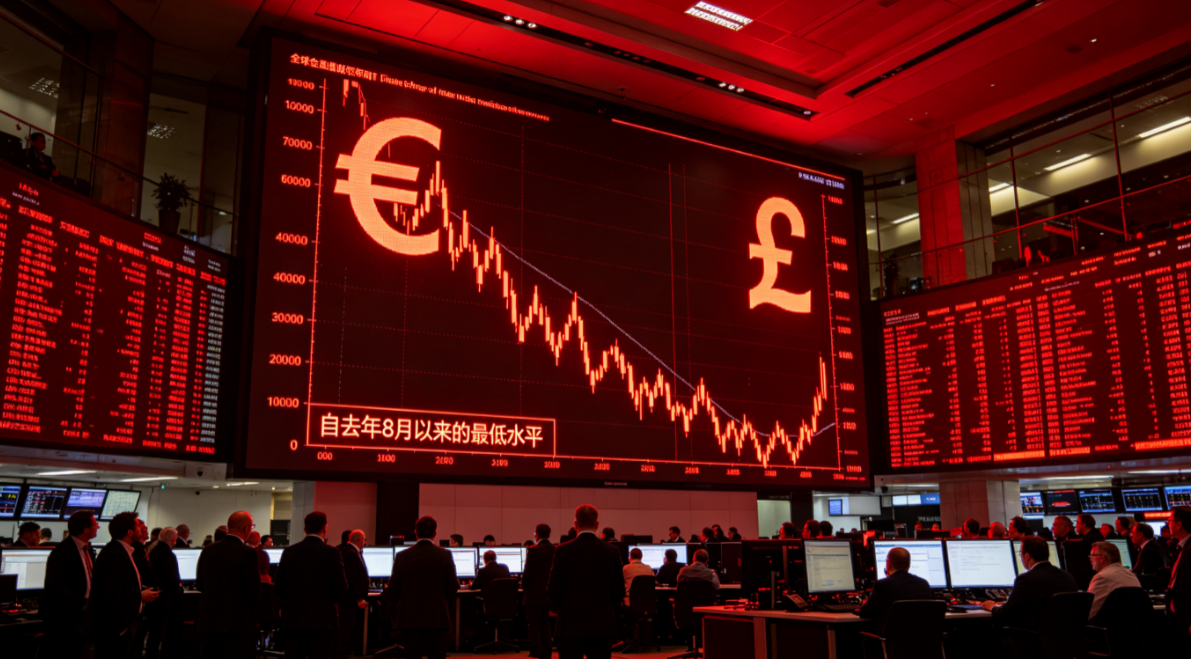
The euro has had a rough time lately, and the latest move against the British pound is just another reminder that currencies can turn on a few words from a central bank chief. EUR/GBP slipped to a 10-month low this week, falling 0.1% to 0.86097, as European Central Bank President Christine Lagarde’s dovish remarks earlier in the week continued to weigh on the single currency.
For traders, this is not just a random dip. It’s part of a broader story about changing expectations, uneven growth, and the market’s habit of reacting quickly when monetary policy starts to look less supportive. The pair is now heading toward its worst quarterly performance since September 2024, which tells you that the euro has been losing ground in a pretty steady and uncomfortable way.
So what’s going on here? And more importantly, what does it mean going forward?
A Weak Euro Story That Refuses to Go Away
The euro’s weakness has been building for some time. On paper, the currency should have found support from the European Central Bank’s efforts to keep inflation in check and from a still-resilient European economy. But markets don’t trade on paper alone. They trade on expectations, and right now the expectation is that the ECB may not be in any hurry to sound aggressive.
That is where Lagarde’s comments matter so much. When a central bank leader adopts a softer tone, traders usually hear one thing: fewer rate hikes, possible rate cuts sooner than expected, and a less attractive yield story for the currency in question. In the FX world, that’s often enough to shift sentiment fast.
The euro doesn’t need a major shock to weaken. Sometimes all it takes is a slightly more cautious message than investors were hoping for. That appears to be exactly what happened this week.
Why Lagarde’s Dovish Remarks Hit the Euro Hard
Lagarde’s comments have been interpreted as a signal that the ECB is comfortable taking a patient approach. That may sound reasonable from a policymaker’s point of view, but for currency traders, patience can be code for policy easing. And easing tends to reduce the appeal of a currency, especially if another central bank looks even a little more hawkish by comparison.
This matters a lot in the EUR/GBP pair because currencies are always relative. The euro is not just being judged on its own merits; it is being measured against the pound. If the ECB sounds softer while the Bank of England appears more cautious-but-still-firm, the euro naturally loses ground.
The result is a market that keeps leaning toward sterling, even if not aggressively. EUR/GBP falling to 0.86097 may not sound dramatic at first glance, but in FX terms it reflects a meaningful shift in sentiment. Ten-month lows are rarely accidental.
Sterling Isn’t Exactly Soaring—But It Doesn’t Need To
One interesting thing about this move is that it is not necessarily a story of a surging pound. Sterling hasn’t needed to run away with the spotlight. It only has to be “less bad” than the euro, and that’s enough to push EUR/GBP lower.
The UK economy still has its own challenges, including growth concerns, sticky inflation dynamics, and a central bank that has to balance caution with credibility. But compared with the eurozone, the pound has been able to benefit from the idea that UK rates may remain higher for longer, or at least not fall as quickly as ECB rates.
That difference in policy expectations is crucial. In FX markets, yield differentials can be more powerful than headlines, and right now the pound has a small but useful edge.
The Bigger Quarterly Picture Looks Worse for the Euro
The slide to 0.86097 is not just about one day’s move. The more important point is that EUR/GBP is now on track for its weakest quarterly performance since September 2024. That gives the move a more structural feel.
When a currency pair is headed for one of its worst quarters in nearly a year, it suggests that investors are not merely reacting to short-term noise. They are repricing the broader outlook. And in this case, the repricing seems to be about the ECB’s willingness—or lack of willingness—to keep policy tight for long enough to support the euro.
A weak quarter can also become self-reinforcing. As the pair trends lower, more traders notice the pattern, more momentum strategies follow along, and more stop-loss levels get triggered. It can become a classic market loop: the euro weakens because people expect it to weaken.
That doesn’t mean the trend will continue forever, of course. But it does mean the burden of proof is now on the euro bulls.
What Traders Are Watching Next
The next move in EUR/GBP will likely depend on a few key factors.
1. ECB Communication
The ECB’s next set of comments will be closely watched for any hint that Lagarde’s recent tone was just cautious diplomacy or the beginning of a more dovish policy shift. If officials continue to sound relaxed about inflation and economic softness, the euro could remain under pressure.
2. Bank of England Expectations
Sterling’s strength relative to the euro also depends on whether the Bank of England stays comparatively firmer. If UK policymakers signal that rates will remain elevated for longer, the pound may continue to enjoy a relative advantage.
3. Economic Data
Growth, inflation, and labor data in both the eurozone and the UK will matter. If eurozone figures disappoint while UK data holds up better than expected, EUR/GBP could stay heavy. On the flip side, a surprise improvement in European data could help the euro recover some ground.
4. Risk Sentiment
Currencies don’t move in isolation. If global risk appetite improves, the euro may benefit a little from broader market stabilization. But if investors remain cautious, they tend to prefer currencies with clearer yield support or stronger domestic narratives.
Why This Pair Matters More Than It Seems
At first glance, EUR/GBP might not sound like the most thrilling FX pair in the market. It doesn’t have the drama of EUR/USD or the volatility of some emerging market currencies. But it matters because it often acts as a neat summary of how investors are comparing two mature economies with very different policy paths.
When EUR/GBP falls, it’s usually not just a technical chart move. It’s a verdict on relative confidence. Right now, that verdict is leaning in favor of the pound, or at least against the euro.
For businesses, that can have real implications. European exporters to the UK may find their goods more competitive, while UK importers from the eurozone could face slightly tougher pricing conditions. For investors, the move can affect hedging strategies, portfolio allocation, and short-term positioning in European assets.
And for anyone watching central banks, it’s another reminder that words matter almost as much as actions. Sometimes even more.
Conclusion: The Euro Needs a Better Story
EUR/GBP’s slide to a 10-month low is a pretty clear sign that the euro is still struggling to find its footing. Lagarde’s dovish comments have reinforced the market’s belief that the ECB may not be in a rush to defend the currency with a tighter policy stance. Meanwhile, sterling has been able to hold its ground well enough to extend the pair’s decline.
The move to 0.86097 may not be the last word, but it does underline an important point: in FX markets, the currency with the more convincing policy story usually wins. Right now, the euro’s story looks a bit tired, while the pound’s looks comparatively steadier.
If the ECB wants to change that narrative, it will need to sound less cautious and more committed. Until then, EUR/GBP may keep drifting in the same direction—quietly, steadily, and with just enough pressure to keep traders watching every comment from Frankfurt.